
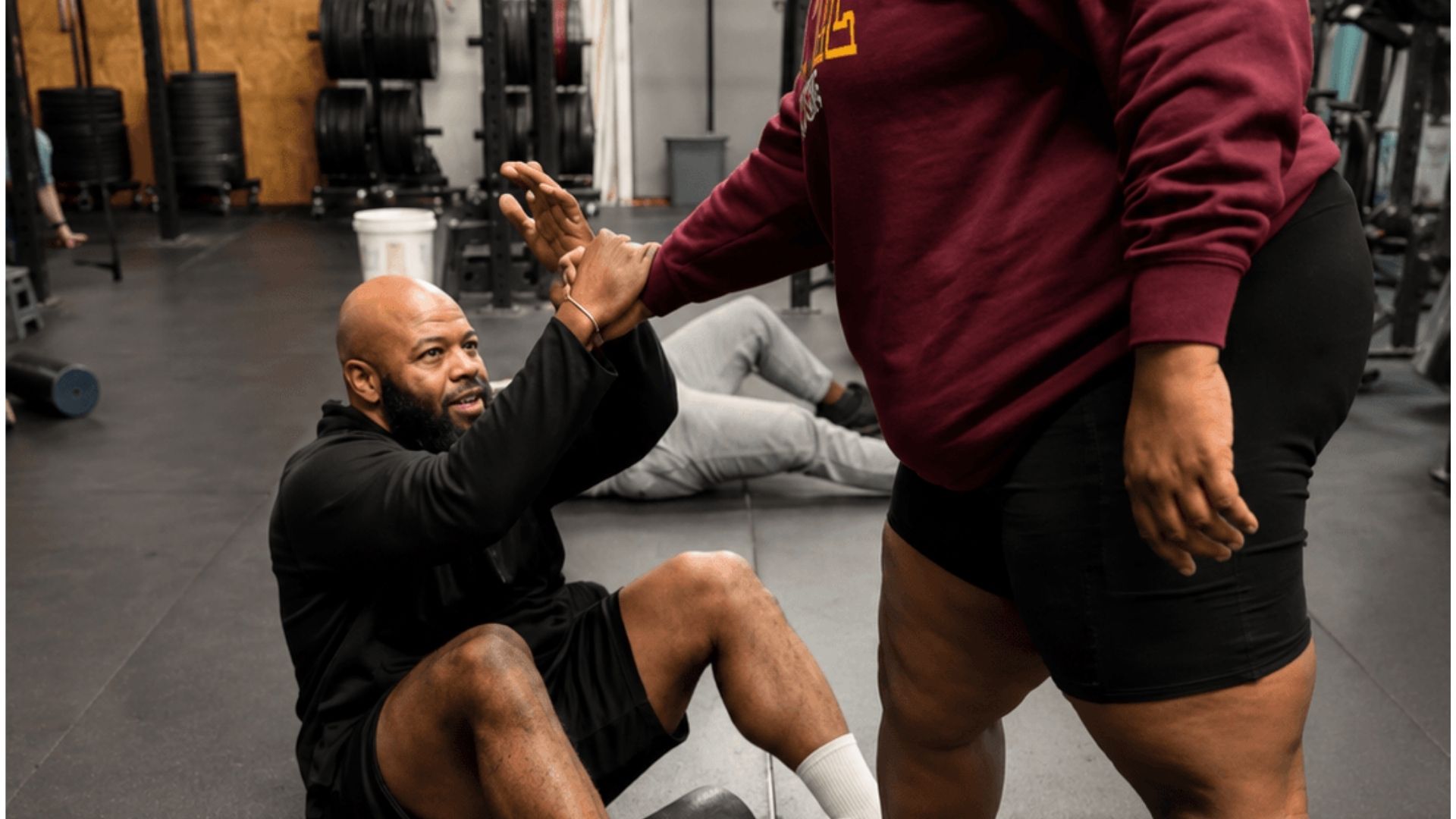
If you’ve ever skipped a workout because work got crazy, you’re not alone. Most busy professionals have a version of the same list: not enough time, too exhausted, the kids’ schedules took over. These are real reasons, not excuses. The problem is that skipping the gym rarely makes the week feel more manageable. Usually it does the opposite.
This article isn’t about discipline or pushing through. It’s about whether one hour of structured training might actually make the other hours easier to handle.
Why Busy Professionals Skip the Gym (And Why That Logic Backfires)
The reasoning makes sense on the surface. You’re already stretched thin, so cutting something feels like the responsible move. The gym is optional. The meeting is not. The deadline is not. So training gets dropped first.
But the logic starts to break down when you look at what happens over time. The weeks where you skip the most are often the weeks where everything feels harder, focus is lower, and the mental load feels heavier. Skipping the gym to save time and energy can quietly cost you both.
What Stress Actually Does to Your Body When You Never Decompress
One thing worth understanding is that stress isn’t just a feeling. It has a physical effect, and when it builds without any real outlet, it shows up in the body.
Coaches see this regularly. A member comes in after a long, emotionally draining day and a workout they usually handle well feels unusually hard. They’re not less fit. They’re just carrying more than normal. Everything feels heavier. They seem rushed, distracted, like they’re still half in the office.
What people often need isn’t a harder workout. They need an hour where they don’t have to think about work. That’s a different kind of need, and it’s one that a structured training session can actually meet.
Why One Hour of Structured Movement Resets More Than Your Muscles
A lot of what makes a coached class useful for stressed professionals has nothing to do with fitness programming. It’s the structure itself.
When you walk into a class, the decision of what to do has already been made. There’s a warm-up, a skill or strength component, a workout. You follow the plan. For someone who has been making decisions all day, that removal of choice is genuinely useful.
As the warm-up begins, most people become more present. The conversations, the laughter, the encouragement from coaches and classmates naturally pull attention away from whatever was weighing on them an hour earlier. Learning a new movement or improving technique adds something else: a small, concrete win. One more rep. Better form. Showing up when you didn’t feel like it. Those things build a quiet sense of accomplishment that carries into the rest of the day.
How the Gym Fits Into a 50-Hour Work Week Without Stealing From It
Three sessions a week is a reasonable starting point for most busy professionals. Not five, not every day. Three workouts that you can actually do, that stay light and fun enough to be sustainable, while still addressing what you need to work on.
The schedule doesn’t have to be rigid. Two days on, one day off works for some people. Every other day works for others. It depends on your work schedule, your family commitments, and what you can realistically protect. The goal is to find a pattern that fits your actual week, not an ideal version of it.
Three consistent sessions a week, done over months, will do more for you than an aggressive schedule you abandon after three weeks.
What CrossFit-Style Training Offers That a Solo Run or Home Workout Doesn’t
Running alone or working out at home can be fine. But for busy professionals, both options put the full burden of planning, motivation, and accountability back on you. After a long day, that burden is often what stops people from starting.
A coached CrossFit class removes most of that friction. The workout is planned. A coach is there to teach proper movement, give feedback, and adjust the session to match your current fitness level or any injuries you’re managing. You don’t have to wonder if you’re doing something correctly. You don’t have to figure out what to do next.
The community side matters too, more than people expect. Coaches and classmates notice when you’re there, and they notice when you’re not. That kind of low-key accountability is hard to replicate on your own. Many members join for the fitness and stay because of the relationships. Training alongside people who are working through the same challenges creates something that a solo workout rarely does.
Less decision fatigue, built-in encouragement, progress you can actually track, and a 45-minute window where the focus is entirely on you. For someone managing a demanding schedule, that combination is worth more than it might look like on paper.
Making It Stick When Your Schedule Changes Week to Week
Even with the best intentions, life interrupts. Work gets overwhelming. A kid’s activity shifts. Someone gets sick. Travel breaks the routine. This happens to everyone, and it doesn’t mean the habit is gone.
The simplest advice: just come back. Don’t try to make up missed workouts. Don’t worry about being where you left off. Focus on the next session, not the last one you missed.
Celebrate showing up, even when you don’t feel your best. Reconnect with the people in class, because community tends to rebuild momentum faster than motivation does. And before the week starts, get your next few workouts on the calendar. That one small step makes it much easier to protect the time before something else fills it.
Consistency over time matters more than any single week. The goal is to keep coming back, not to be perfect.
If you’re curious whether CrossFit 1209 might be a good fit for your schedule, https://www.crossfit1209.com/free-consultation/. No pressure, just a conversation.

