
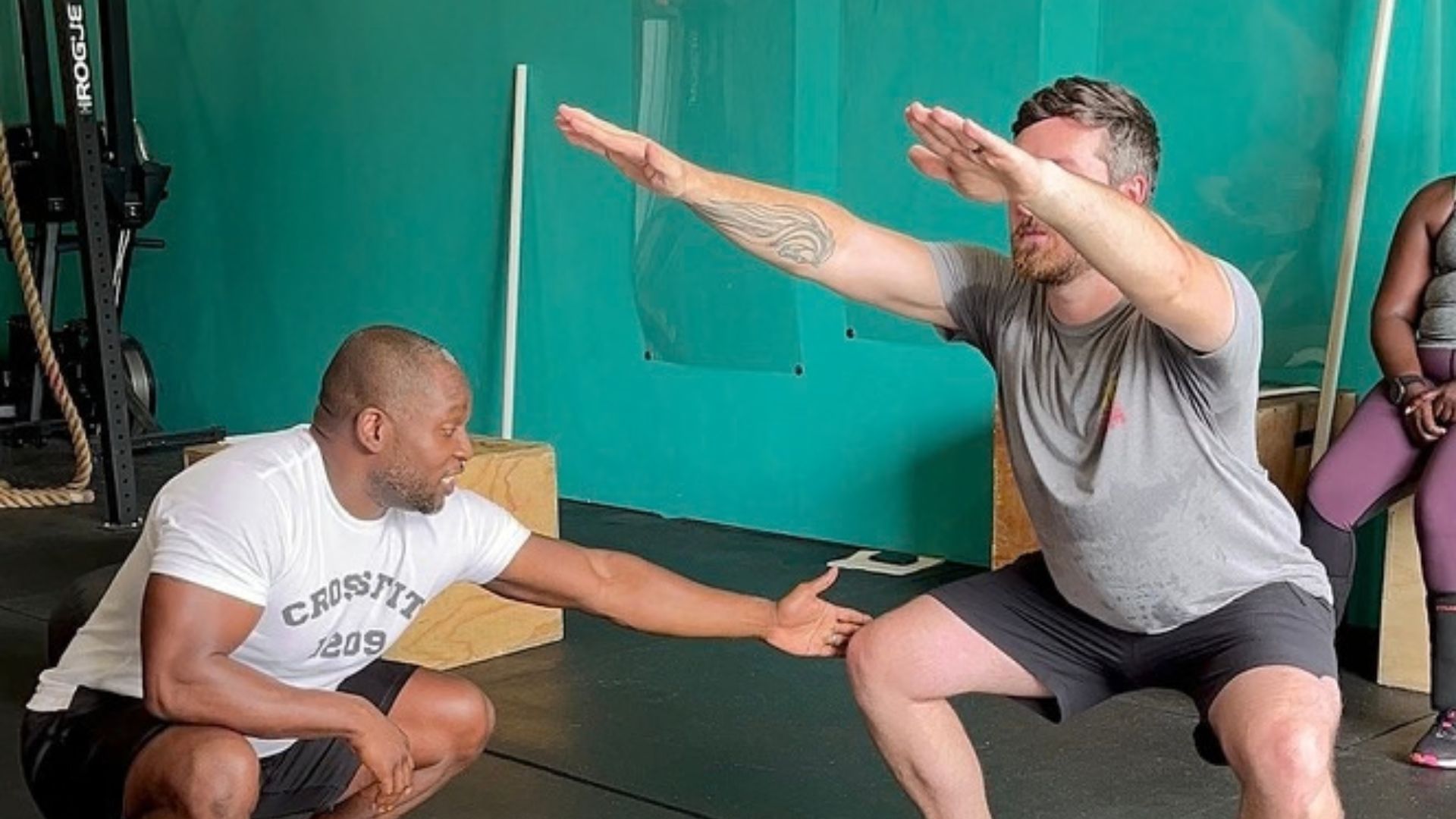
Starting back at the gym when the school year kicks in is its own kind of pressure. The schedule tightens, the to-do list grows, and walking into a group fitness class after a long break can feel like showing up late to a meeting where everyone else already knows the agenda. What most people do not realize is that the coach is paying attention from the moment you walk through the door, and not in the way you might fear.
Here is what actually happens during those early sessions, from the coach’s side of the room.
What Your Coach Notices Before the Workout Even Starts
Before anyone picks up a barbell or touches a pull-up bar, a coach is already reading the room. Are you smiling? Are you talking to other members? Do you look excited to be there, or does something seem off? That last one matters more than people think. If something is going on outside the gym, a good coach will pick up on it, and that shapes how they approach you during the session.
This is not about surveillance. It is about making sure the hour you spend in class actually works for you that day. A coach who notices you seem distracted or tense is going to check in differently than one who sees you laughing with a training partner before the warmup. The goal is to meet you where you are, not where the whiteboard says you should be.
Why Scaling Is a Tool, Not a Step Backward
One of the things that trips up newer members, or people returning after a break, is the idea that scaling means falling behind. It does not. Scaling is how you get to the harder stuff without skipping the steps that make the harder stuff possible.
Take pull-ups as an example. Most people who walk into a CrossFit gym for the first time cannot do a pull-up yet. That is completely normal. A ring row builds the same pulling pattern, develops the same muscles, and keeps you moving through the workout without putting you in a position where you are grinding through something your body is not ready for. The ring row is not the consolation prize. It is the path.
Every scaling option exists for a reason, and the coach is choosing it based on where you are right now, not where they think you should be. The goal is always to progress you toward doing the workout as prescribed, and that progression happens faster when the foundation is solid.
What to Tell Your Coach (and When to Say It)
At the start of most classes, during the whiteboard briefing, the coach will ask if anyone has injuries or anything they need to know about. That is the right moment to speak up if you have something going on, as long as you are comfortable saying it in front of the group. A sore knee, a shoulder that has been acting up, a movement you have never done before: all of that is useful information and none of it is embarrassing.
If what you need to share feels more personal, pull the coach aside before class starts. A quick word before the warmup is enough. Coaches are not there to judge what you tell them. They are there to use that information to help you get through the session safely and effectively. Knowing what is going on with you, physically or otherwise, lets them make better decisions about how to coach you that day.
The coaches understand. They are not here to judge you. They are here to help you become the best version of yourself, and that starts with knowing what you are working with.
The Signs a Coach Uses to Know You Are Ready to Push More
Progression in CrossFit follows a simple sequence: mechanics, then consistency, then intensity. A coach is not going to push you to add weight or attempt a harder movement until they have seen you demonstrate the right mechanics and do it consistently over time.
With a back squat, for example, a coach watches your form across multiple sessions. Once they can see that you are squatting correctly and doing it the same way every time, that is when the conversation about adding weight starts. The same logic applies to gymnastics movements. When you can do a pull-up consistently, the coach starts thinking about chest-to-bar pull-ups. When chest-to-bar is solid, bar muscle-ups come into view.
This is one of the things that makes coached group fitness classes worth the time. There is always a next step, and the coach is tracking where you are in that progression even when you are not thinking about it. You do not have to manage your own development from scratch. That is what the coaching is for.
Making the Most of Early Sessions Without Burning Out
The most common mistake in the first few weeks is trying to do more than the workout calls for. Someone finishes five rounds, feels like they could have done more, and asks if they can add extra rounds or go heavier than the coach suggested. It is an understandable impulse, especially for people who are used to pushing hard in other areas of their life. But it tends to backfire.
The other version of this is watching members who have been training for years and trying to match what they are doing on day one. Those athletes have months or years of adaptation behind them. Comparing your first week to their current capacity is not a useful benchmark.
The fitness program at CrossFit 1209 is built so that each session connects to the next. When a coach tells you to scale back or stick with a lighter load, they often already know what is coming tomorrow or later in the week. Following that advice keeps you from spending the next three days too sore to move, which is not a sign of a good workout. It is a sign of doing too much too soon.
Listen to the coach’s experience. They have the expertise to progress you without wrecking you, especially in those first few weeks when your body is still adapting. Fitness built over time holds up. Fitness chased in a hurry usually does not.
If you are thinking about adding group fitness classes to your fall schedule and want to see how the coaching works in practice, come in and try a class at CrossFit 1209. The coaches will take it from there.

